

When Gravel cycling was still a marginal thing, (that is before Gravel became the new Fixie, aka before Gravel events became the Pros retirement plan) I came across this unique cycling event and I was hooked right away. My first thought was… cycling in Iceland? In Fact, I knew very little about Iceland, besides the usual. I did not even think there was a cycling scene over there.
One day, GCN covered The Rift and I knew right away, after watching the video, that I had to attend one day. It sure felt like this event would become an unforgettable experience in one of the most breathtaking place on Earth.
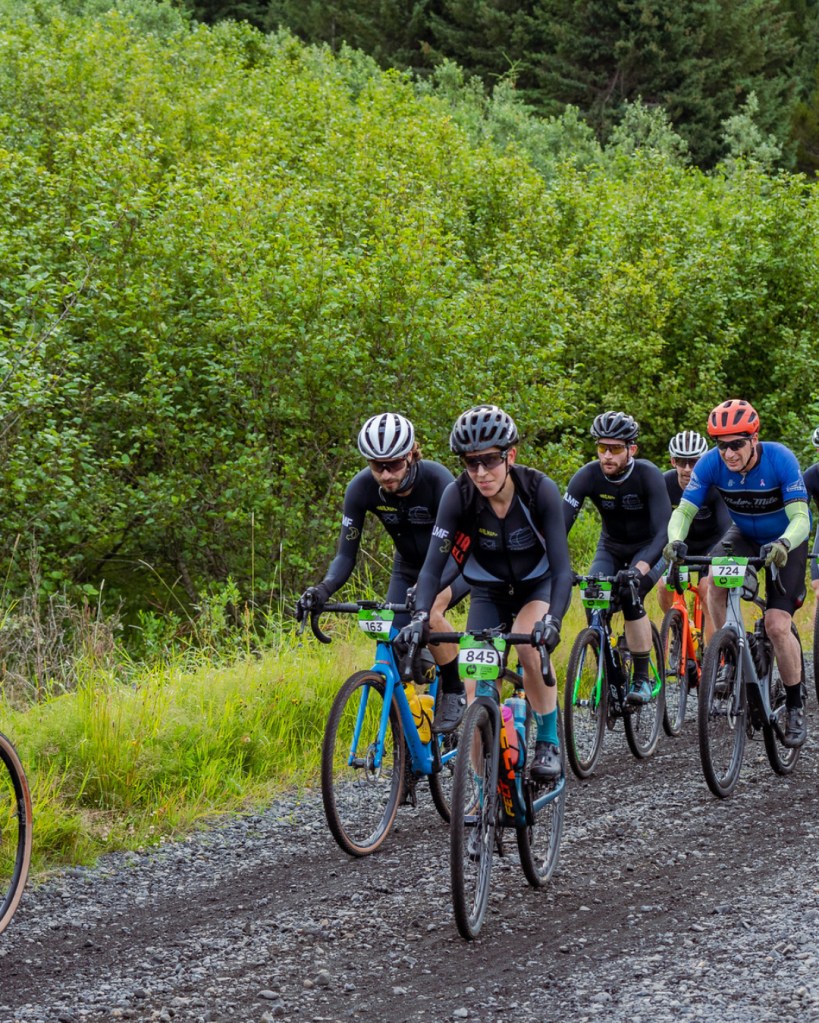
As Iceland is nicely situated between Canada and Europe, the event attracts people from everywhere and in growing numbers. The 2021 event had 200 participants and the 2023 version more than 500. (for the 200km distance)
And the fact that Iceland has the potential to be cold, windy, covered with snow at any time of the year made it more attractive, even though I absolutely despise Canadian winters. It just felt like this could be a great event and a great cycling adventure.
What makes The Rift special?
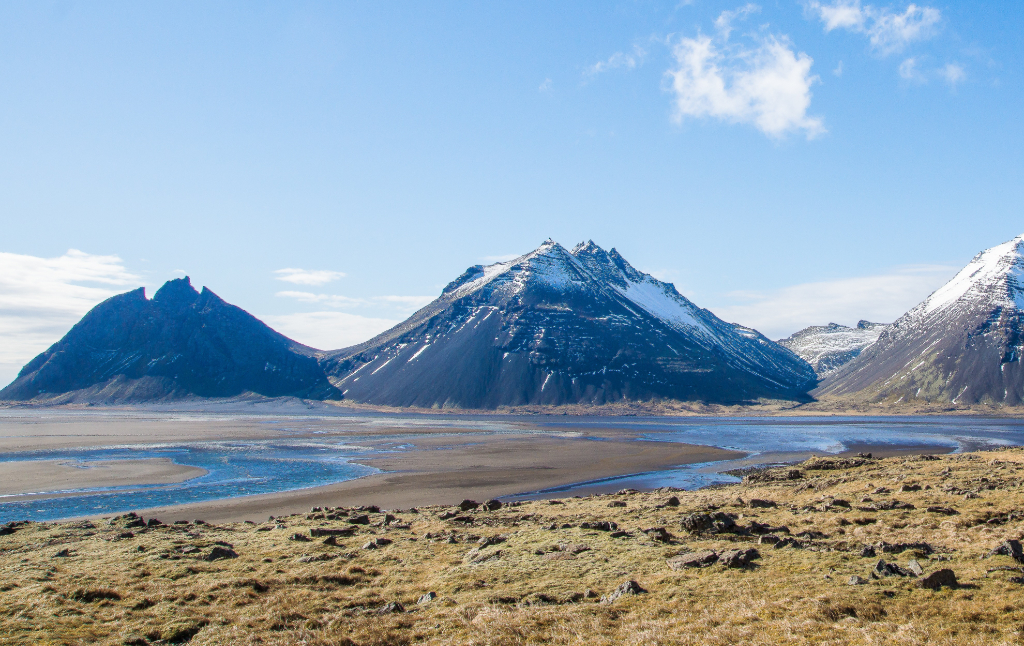
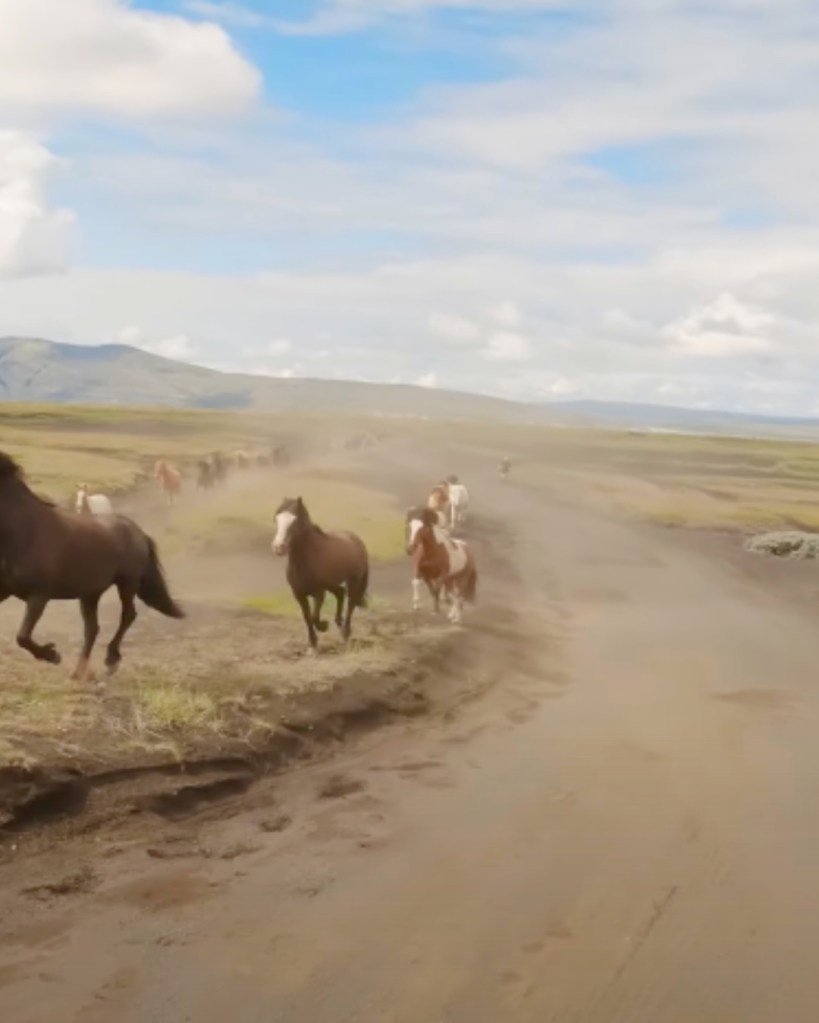
The Rift is not your average gravel bike race. It covers a distance of 200 kilometres through the rugged terrain of Iceland, including lava fields, glaciers, and volcanic landscapes. There is a pretty cool portion where you ride down a snow covered Volcano. Riders must navigate gravel roads, Uber cold river crossings, and challenging climbs, some you can only go up by walking. All that, and much more unpredictable events and weather making the Rift a true test of skill and endurance. In 2022, a pack of wild horses ran beside the riders in a valley… it was spectacular.


In a matter of a few minutes, you can be riding under a sunny sky, shortly followed by a sudden and heavy rain fall or Hail, strong winds which of course will always be against you. The first 100km are going up. Not by much, as the total elevation is 2165m but most of the climbing is within the first half. Let’s just say that after 180km, the final remaining inclines hurt. A lot.
More about the terrain and the course later.
How can you prepare for The Rift?
Well, that comes down to preparation. I’d sum this up like this: There are different aspects you need to prepare to succesfully complete The Rift. To tackle The Rift without suffering too much, you must be in a close to top physical condition. Additionally, you must have the right gear. Finally, you must manage your food intake regardless of the weather conditions.
1- Training
Training for long-distance gravel riding is something you should consider hiring a coach for. At least consider it. I know that modern cycling trends are pushing cyclist to ride longer and longer than ever. But still, 200km of road biking and 200km of gravel in Iceland is quite different.
2- Bike and Gear preparation
Obviously, if you travel all the way to Iceland with your bike to participate in a potentially once in a lifetime event, you must make sure your bike is in top condition. Duh.
The Bike Stuff
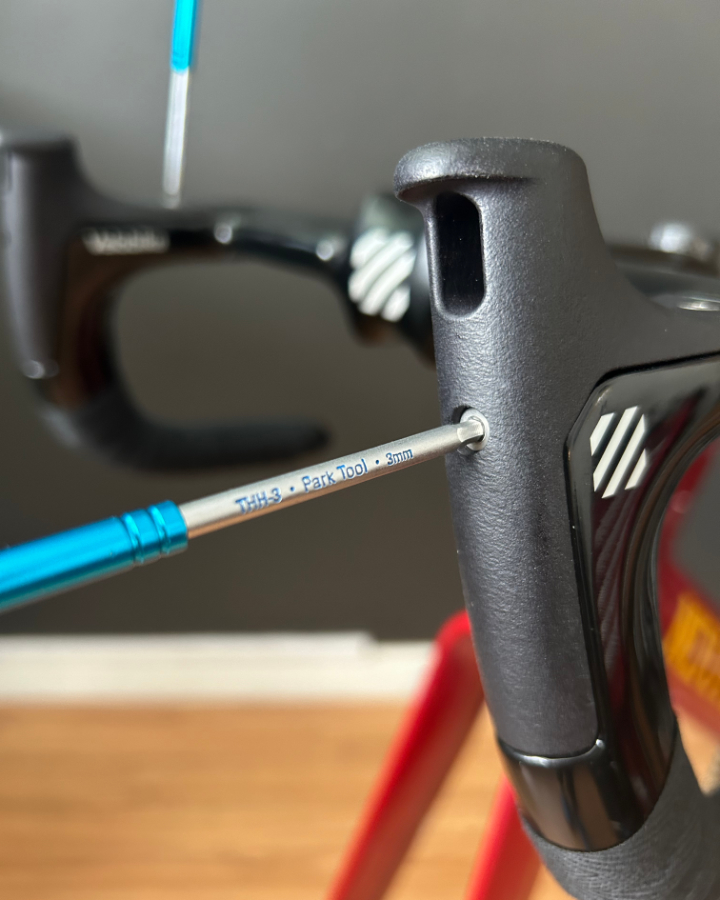
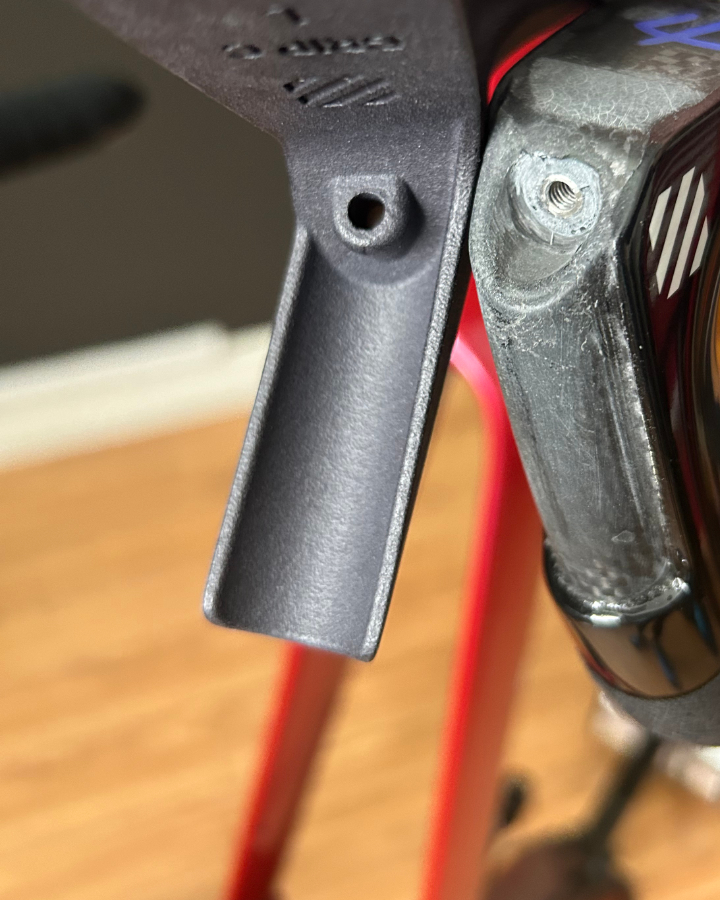
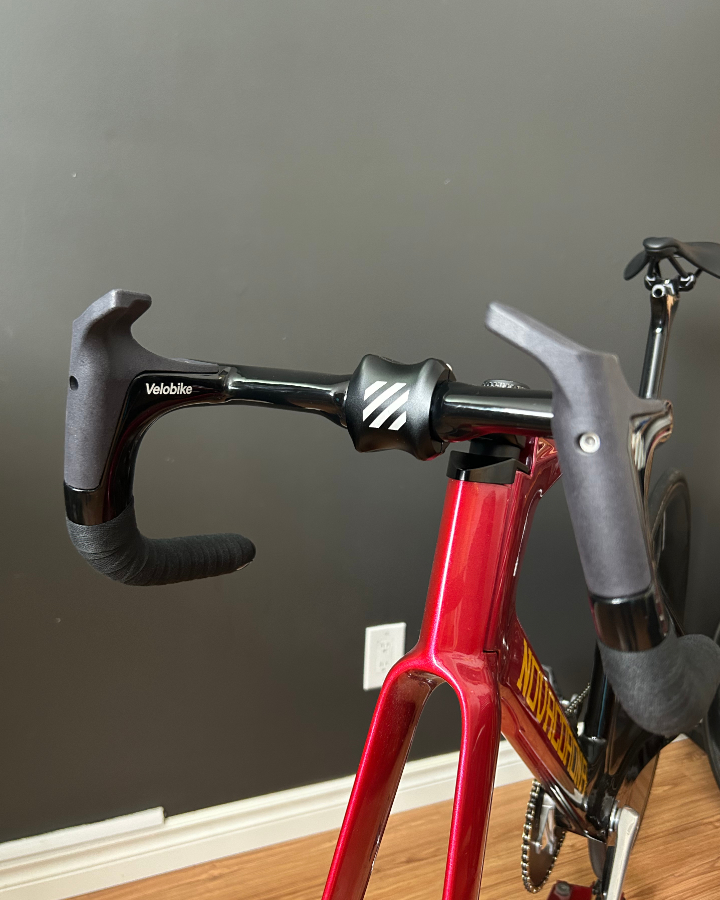
On top of having a bike in perfect condition, you must get familiar with how your bike works, what kind of parts are on it and have a minimal knowledge of how to fix it. Honestly, this is something The Rift organization does not mention enough in their Race guide.
The Rift is a long event, you will be in the middle of nowhere, with little to no cellular coverage. You must be ready to fix almost anything on your bike, on your own. So learning how to fix a flat tire, repair a broken chain, install a tube in a torn tubeless tire, quickly bend back a disc, align your stem/handlebar assembly are just a few of the mechanical operations you should know how to do. You might have to perform any of these under conditions that are not the best. Imagine having to fiddle with a chain tool with frozen hands in windy and snowy conditions… I really do not want to scare anyone, but better be prepared than not.

In 2022, my first and only participation, I repaired 3 punctures (not even mine) and fixed a ben rim with a can opener and a volcanic rock. I had Tubeless sealant all over my gloves and rode 80km with a tubeless insert around my back. I helped a pro rider who had 8 punctures and needed a new wheel (I don’t know how he got a new wheel to finish his event). I mean… come one dude. That guy was not ready. Make sure your bike is in good condition and ready for a 200km gravel ride.
Then, you must prepare your spare parts and repair kit. In essence, I strongly recommend that you pack these things, add more if you need more, but these would be the essentials:
-Spare Derailleur Hanger
-Chain breaker
-Quick link
-Multi-tool
-Some sort of tubeless Repair kit (plugs and tire patch)
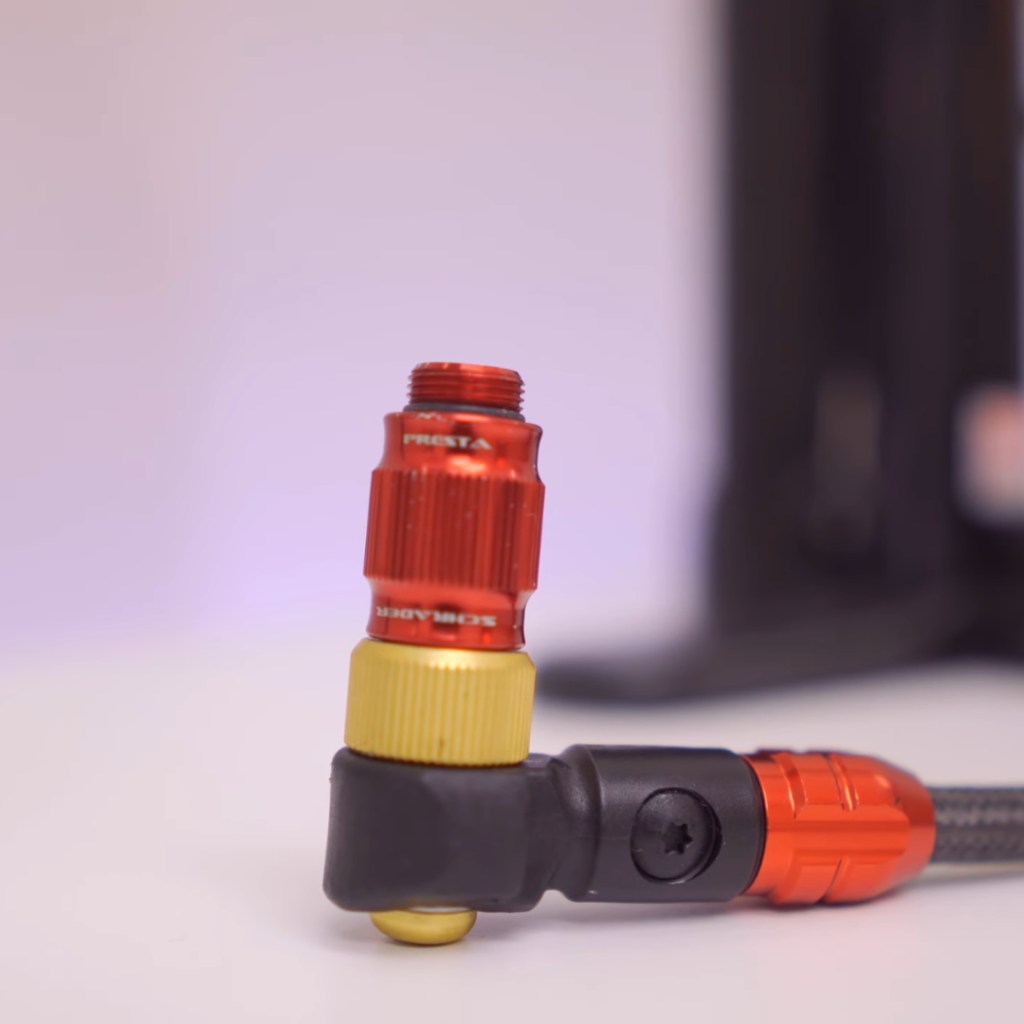
-Mini-pump and Co2 cartridges.
-Ultra-light spare tubes. The new Pirelli tubes are great. Super light, very compact. Worth the very expensive price.
-Spare valve core
-Small knive
Once you got your repair kit ready, practice repairing stuff on your bike with it. It will be worth it.
The riding Gear
Finding the right clothes to wear for an event where about every type of weather conditions are expected is a challenge.
If you are like me, IE not an outdoor, trekking, camping and mountaineering specialist, you will need to find the right gear to be comfortable and ready for anything. Which means understanding rainproof materials, merino wool, and find the best clothing you can for the budget you have. One great thing about The Rift is that they allow you to pack a small bag, which most people refer to as the ”sock bag”, that they will bring up to the 3rd feed (at 100km). Prior to the start, you can drop your bag, containing whatever you filled it with, in a huge truck. Unless you plan on winning the race as a Pro or in your age category, I’d strongly recommend taking advantage of this.
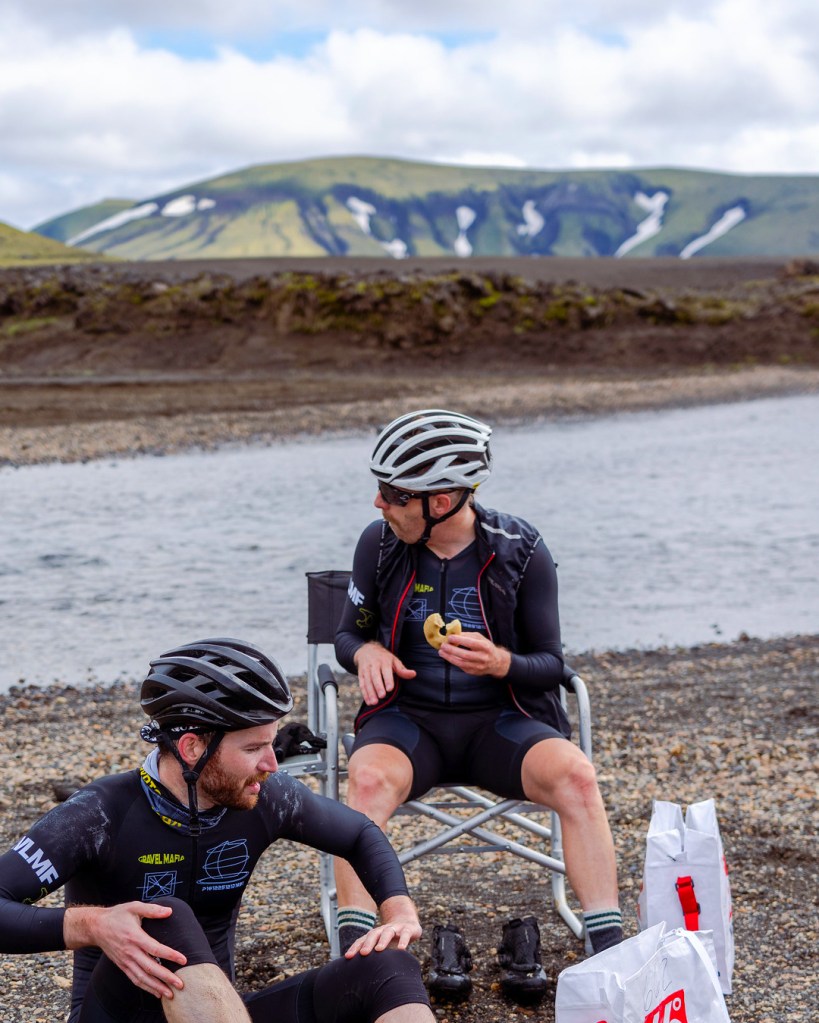
Typically, you would put in there a pair of warm socks (perhaps the ones the organization provides with each entry), spare gloves, maybe some food and a dry Buff. If you left with too much stuff, you can drop it in the bag and recuperate it at the end of the event. Whatever you think you need, put it in there. Better pack that bag with loads of stuff you won’t use than regret not packing it later. You could even cram a spare tube in there just in case.
Because the weather changes so much, your clothes must allow you to ride comfortably in all those conditions. You will cross many rivers, walk up steep hills, run in loose snow and much more. So there is little you can do against all that. Compromise is key, I guess.
Here are the clothing accessories that I think are essential:
-Super light packable Gore-Tex-ish jacket.
-Well padded long finger gloves
-Super light short sleeve vest
-Long socks of any type
-Good Gravel/mountain bike shoes
-Breathable Base layer
-Photochromic lenses
-Gravel/adventure style bib shorts (for their side pockets)

3- Nutrition
Again, a no brainer. To make your way through 200km of gravel cycling, you will need a considerable amount of fuel. One thing the organization has dialled in are feed zones. Man, there is all you can think of at each and every feed station. The thing is, it’s mainly junk food. I am not saying it’s bad, but think of the feed zones as a safety feature if ever you packed less food than necessary.

Nothing is worst than hitting a wall at 120km knowing you still have 80 to go… (remember that last hill you must climb near the end I was talking about earlier?)
So part of your training before the event will consist of finding the right food for that kind of distance and time spent on the bike. Can you tolerate it well? Is it easy to digest? Is it home made or pre-made? How do you eat it while riding? Where do you store it? etc.
And the other thing to consider is that the food you are used to eat and train with might not be the food you need in this type of weather.
My advice is, try to eat ”real food” as much as you can and keep the gels and bars and energy chews to top off your energy needs.
And train using the bars, gels and other similar food you plan to use for the event.
Circling back to the 100km feed and ”sock bag” truck: this feed station will also have Sandwiches of many different types. Which came as a huge relief for me.
I am by no means a Nutrition expert but if you want to plan ahead, there are common food intake guidelines and formulas you can use. Those can easily be found online, but search for trustworthy sources and consult a certified Dietician/Nutritionist if you are in doubt. After all, incorrect food intake can lead to dangerous health issues. Don’t neglect that.
End of part 1
In the next part, I’ll present you with more gear for your bike and for yourself. I’ll talk more about the course itself as well.









 Boards and Peaks - Von Westfalen