Category: Racing

  • Race Across Québec

    Race Across Québec

    Le 300km de l’édition 2025 de la Race Across Québec était ma première expérience d’ultra-endurance. Une discipline qui gagne en popularité au Québec comme un peu partout ailleurs.

    Même avec plus de 30ans d’expérience de course de vélo, j’ai été surpris de découvrir une (nouvelle pour moi) communauté de cyclistes de tous horizons. Et il y a autant d’histoires, d’objectifs, de vélos qu’il y a de participants. Si la course de vélo (route, montagne, piste, cyclocross) tend à uniformiser le look , les vélos et l’équipement des participants, le cyclisme d’ultra-endurance fait bande à part.

    C’est donc une communauté vibrante, amusante, pleine de couleurs, de sourires et de vie que j’ai découvert à mon arrivée au PAT à Terrebonne, quelques heures avant de planter ma tente.

    Avec un départ. à exactement 3:34:30 secondes du matin, pas le choix de dormir sur place. Heureusement, l’organisation propose un camping sur place.

    Avant le départ

    Comme c’était ma première course d’ultra-endurance, j’avais lu et relu et rerelu le guide du participant, les règlements et révisé ma liste de choses à apporter.

    En effet, il faut arriver prêt. Nourriture, eau, équipement de sécurité, outils, plan b, plan c, il faut un peu tout prévoir. Heureusement, c’est assez facile de trouver de l’information sur la préparation à ce genre d’évènement. Après avoir fait The Rift 2 fois, et le challenge Paris-Roubaix, j’avais une bonne idée de ce que je devais transporter avec moi.

    Ptite vidéo sur instagram à ce sujet

    Parlant de préparation, la nutrition et l’hydratation c’est important. Je m’étais préparé un collant avec tous mes arrêts que j’ai collé sur mon top tube. Comme je transportais mes électrolytes pour toute la distance, j’avais seulement besoin de m’arrêter pour de l’eau, parfois une petite boisson énergisante réconfortante et un ou deux ptits délices.

    Je parle de nutrition ici

    *à noter que la plupart des navigateurs permettent de traduire le site en français ou en anglais. C’est une cool fonction de l’internet moderne.

    C’est donc en pleine nuit, avec toute ma nourriture, mon eau, ma couverture de survie et pleins d’autres bébelles que j’ai commencé mon aventure de 325km. Oui oui, ils te font croire que c’est 300km, mais en réalité, c’est 325, ce qui mine de rien, t’ajoute une heure de vélo.

    Quel évènement

    L’équipe d’organisateurs de la race across Québec est incroyable. Comme participant, on est pris en charge par une équipe aimable, attentionnée, passionnée. Le sérieux de l’organisation, son dévouement et sa proximité avec les participants rendent l’expérience tellement agréable.

    Le simple fait qu’on nous fournisse un tracker GPS, et qu’on puisse suivre les participants pendant leur périple est un aspect vraiment cool de cet évènement.

    Non seulement l’organisation est World Class, mais les gens sont présents, terre à terre. Il y a une proximité qui te fait sentir bienvenue.

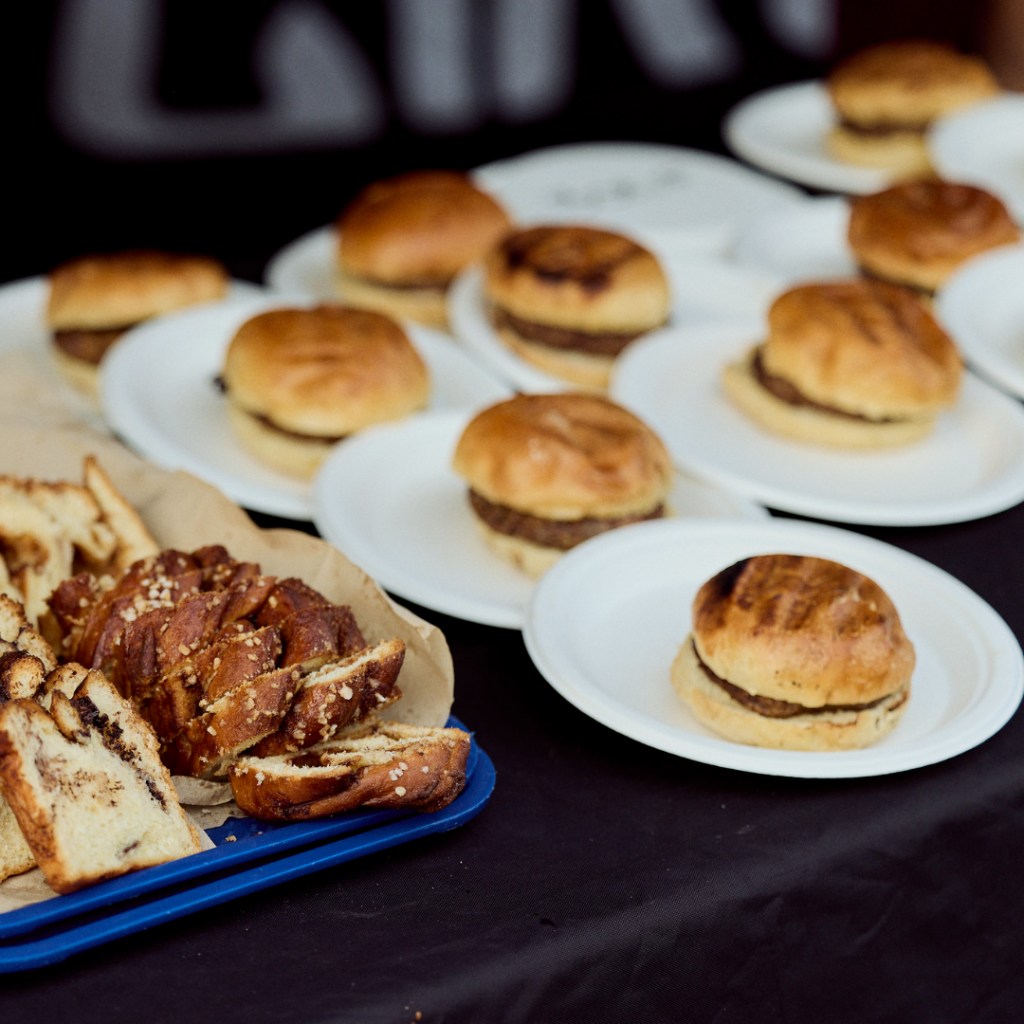
    Ce n’est pas tous les jours que tu te fais cuisiner des pâtes la veille de ton départ par l’équipe des organisateurs, et qu’on t’accueille avec des burgers après avoir franchi la ligne d’arrivée.

    Pendant la course

    Le départ en pleine nuit était une des raisons pour laquelle je voulais participer à l’évènement. Évidemment, chacun à ses objectifs, j’avais envie de me dépasser. Cette année a marqué un tournant important pour moi. Je n’ai pas participé à une seule course sur route. Pas de critériums, pas de Lachine. rien. J’avais envie d’essayer des choses que je n’avais jamais faites avant.

    Alors si vous cherchiez un moment pour faire de l’introspection; une course de 300km c’est un bon prétexte.

    Avec un départ aux 30 secondes, on rattrape rapidement des gens, et on se fait aussi rapidement dépasser. La première heure était ludique. Chacun entre dans sa zone, trouve son rythme. Il y avait des petites lumières rouge à perte de vue dans l’obscurité. Parfois, j’éteignais ma lumière de casque pour prendre la mesure de la nuit.

    Le lever du soleil était perceptible peu de temps après le départ. Ensuite, il y a eu la rosée, le brouillard, et le soleil qui finalement annonçait une journée exceptionnelle.

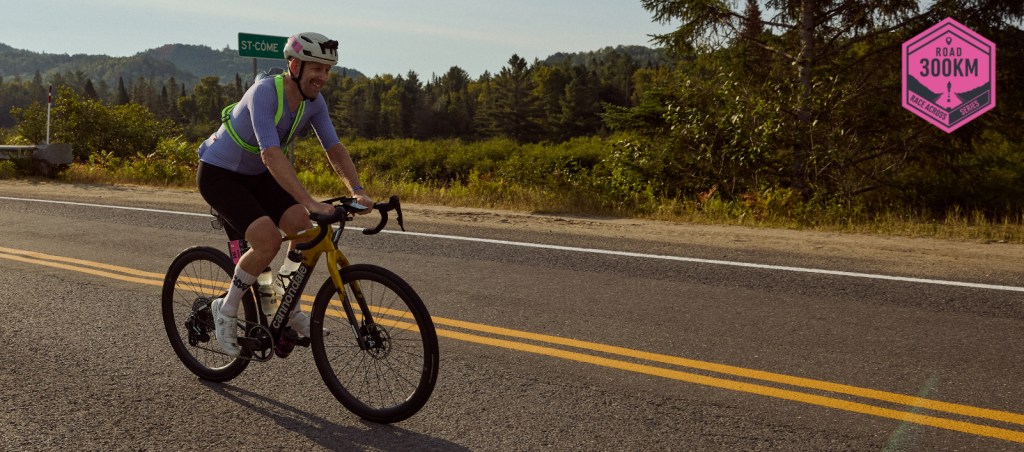
    j’avais planifié mes arrêts de façon méthodique. St-Côme, un dépanneur juste avant St-Donat, le marché Richelieu à la sortie du Nordet, Ste-Lucie des Laurentides, St-sauveur.

    Chaque arrêt confirmait que ma préparation était bonne et ma journée bien planifiée.

    On croise de tout pendant 300km. il y a quand même eu des longs bouts où je ne rattrapais plus personne. Et puis, avec le nordet à faire, je savais que j’allais me faire rattraper dans cette portion du parcours.

    Il y a eu les arrêts dépanneurs, où j’ai croisé d’autres participants, partagé des chocolatines et de l’eau, puis des animaux, des chauffeurs de pick-up qui t’emboucanne, un peu de tout finalement.

    Mais tout allait bien. Pas de crampes, pas de maux d’estomac, pas de délires, pas de bonk. Le Garmin fonctionne, les vitesses changent, pas de flat. tout va bien.

    Le Bonk

    He oui. Tout allait bien, en voie de faire un top 10. Puis à 315 km, le mur.

    Je bonk solide comme on dit. Avec le recul, tout ce dont j’avais besoin c’etait d’un gel. Je n’en prends jamais, mais en fin d’épreuve comme ça, quand tu as tout fait comme il faut, mangé et bu selon le plan, il me manquait le ptit boost sucré qu’un gel peut donner.

    Comme quoi je n’avais finalement pas tout prévu. (qui prévoit bonker au milieu de la Trans-Terrebonne.. personne)

    Pour éviter le Bonk, j’avais planifié mon hydratation avec le Skratch Lime en sachets (plus facile à transporter) et des jujubes Skratch. À chaque heure, je prenais une bouchée de barre ProBar chocolat.

    Dans mes 2 premiers bidons de 700ml, il y avait une généreuse scoop de sirop d’érable (pour les calories).

    La stratégie était déterminée d’avance, en programmant mon Garmin pour me donner des alertes aux 10 minutes pour l’eau et 20 minutes pour la bouffe.

    Probablement que pour mon premier 300km (325) un ptit bonk à 10 km de la fin c’est pas si mal.

    Les produits Skratch sont disponible sur le site de Trackloft: Skratch Lab

    L’arrivée

    Quelle sensation de descendre le petit sentier au milieu du bois du PAT vers l’arrivée! Incroyable.

    Il y a toujours un doute, surtout après avoir frappé le mur, qui laisse croire qu’on ne verra pas la fin. Et tout se dissipe rapidement. On ne compte plus les km, ni le temps, on se laisse aller parce que l’arrivée est si proche.

    C’est un beau moment. Et puis il y a toutes ces personnes à la ligne d’arrivée. On ne sait pas qui ils sont, mais je le redis, la communauté ultra est incroyable. Chaque coureur qui descendait vers la ligne d’arrivée reçevait des encouragement de tout le monde, même ceux qui tentaient de dormir. Tout simplement énergisant.

    À l’arrivée, on prends la photo officielle et les moins officielles. On reçoit des félicitations… on perd un peu le fil de ce qui arrive.
    Un état second peut-être.

    Sans y croire, j’enfile un burger, 2-3 coke/pepsi/canada dry et même un jus de pomme.

    Les participants discutent, échangent à propos de leurs péripéties, de leur trajet, ce qu’ils ont vu, entendu et ressenti.

    L’ultra-cyclisme proposé par Race Across Québec; c’est tout simplement génial.

    Il faut le vivre et le partager.
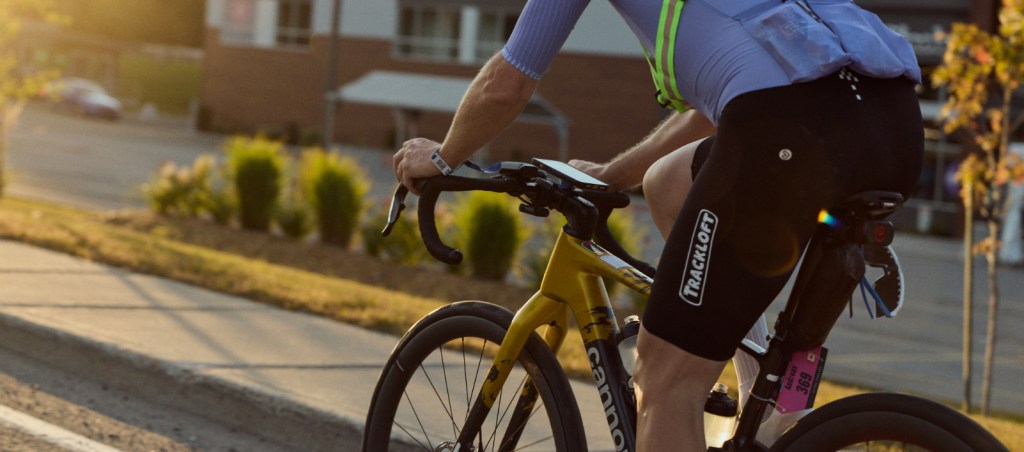
    Le skinsuit Gravel Mafia, Les chaussettes aero et la nutrition sont tous disponible sur Trackloft

  • Prevent the Bonk

    Prevent the Bonk

    What is Bonking?

    Not eating and drinking (good) enough. Dangers and prevention.

    You know that friend that always drops off the ride because he’s hungry. Or that friend who’s black cycling jersey turns white because he’s loses a lot of salt? Well send them this article, because we are going to cover those subjects.

    The Bonk

    Generally, Bonking arrives when an athlete does not fuel enough during a prolonged activity.
    Meaning, they’ve completely depleted their reserve of Glycogen without replenishing it during the activity.
    This can be quite dangerous and lead to unwanted results, ranging from going back home in a taxi to going to the hospital in an ambulance.

    No need to panic here, an extreme Bonk is rare and hopefully you will notice the signs before.

    Some people will refer the normal form of bonking as ”hitting the wall”. A friend of mine says he’s made it to Bonkcity. However you want to call it, here are signs you are bonking:

    • General feeling of fatigue, not just in the legs.
    • Feeling flat, energy less.
    • Craving food, sugar, salt, ( when fast food is the first thing that comes to your mind…).

    Getting out of that Bonked state can be possible. But do not expect a quick 5 minute break to be enough. You will need food, rest and probably a nature break.

    Prevent the Bonk

    The main role of carbohydrates is to provide energy to muscles and some vital organs. Meaning, not managing that during any sport activity or competition will most probably lead to your downfall.

    It’s a tough ordeal to find the right combination of food, drinks and energy output management to prevent the Bonk.

    Many articles will state that you must manage your food/carbs consumption to be anywhere between 30gr to 90gr of carbs per hour.

    You can decide to do so with only food, or a mix of food and sports drinks. One of the main difficulty is to find a balance between any type of food or drink you are using for training or for a competition. Basically, you need to test and discover, most of the time through a long trial and error method, what product works best for you.

    Not only will you start reading nutritional facts for sport specific food, but you will most probably start doing so for day to day food and drinks.

    If there is only one thing to remember from this whole article, it would be this: before any competition, make sure you test the product you want to use during said competition. Just like with new components, gear, apparel, etc.: never race new $h!t.

    Once you’ve found the food, bars, gels, energy blocks etc. that work for you and that don’t upset your stomach, you can start calculating how much of it you need to eat during any activity.

    You should also calculate the nutritional values of whatever sport drink you are planning on using. And if you were planning on running on water, think again. Let’s talk about it right now.

    *Important disclaimer: I am not a nutritionist, dietician or medical expert. In most countries, those professions are governed by a professional order that makes sure the public gets protected. In all good faith, I am simply trying to offer my perspective and my experience with sports nutrition.

    If you feel like you need more information, you can dive in and google articles and reviews about sports nutrition at will. Or consult a professional.

    Why drinking water isn’t enough for endurance sports and long distance cycling.

    Hyponatraemia

    Hyponatraemia happens when the amount of sodium in your blood is too low. In endurance sports, it can be caused by excessive hydration. This loss of salt, or sodium deficiency, can cause your body to shut down and it extreme cases, it can cause brain swelling, confusion, seizures, or even death.

    How it happens:

    • Drinking water far more than you need
    • Sweat a lot resulting in high sodium loss.
    • Unawarely diluting your body’s salt levels too much

    Serious symptoms that can result from Hyponatraemia

    • General body discomfort
    • Vomiting
    • Headaches and confusion
    • Coma

    The Role of Electrolytes in Sports Performance

    Electrolytes are minerals in your body that carry an electric charge and are crucial for:

    • Efficient muscle function by replacing lost electrolytes during activity like: sodium, potassium, magnesium, and calcium.
    • Neuro-muscular efficiency.
    • Hyponatraemia prevention. (Sodium and potassium help regulate the amount of water inside and outside your blood cells.)
    • Preventing cramping and fatigue. (Low electrolyte levels can lead to muscle cramps and general body weakness)

    Most hydration powders can compensate electrolytes loss.

    Hyponatraemia prevention

    Most articles about sport nutrition and hydration will state that a minimum of one liter of water per hour is required to insure proper hydration.
    Now that we know that drinking only plain water is not good, let’s add the recommended dose of electrolytes to our water bottles.

    As an example, I use Skratch Hydration mix. Skratch recommends 1 scoop of 22gr of powder per 450/500ml of water.

    The result in terms of energy intake is:


    Calories80
    Fat0
    Carbohydrate20g
    Protein0
    Sodium400mg
    Potassium50mg
    Calcium50mg
    Magnesium50mg
    vitamin C18mg

    Just randomly drinking water with Electrolytes isn’t enough to maintain sodium levels. Make sure you keep in mind that.

    • Drink regularly, don’t wait to be thirsty.
    • Set timed alerts for food and hydration on your Cycling Computer.
    • Include salt in your food intake like Soups or salty snacks.
    • Avoid salt capsules as some studies doubt they are effective for prevention and can be risky.

    Essentially, during any activity that goes over an hour, or in hot conditions, only drinking plain water can increase the risk of Hyponatremia. Adding electrolytes to your water reduces that risk.

    What about energy gels?

    Energy gels primarily provide quick carbohydrates for fuel during prolonged exercise. Some gels also contain electrolytes, but their main role is to:

    • Maintain blood glucose levels.
    • Prevent early fatigue or even compensate for late fatigue (some gels have caffeine).
    • Provide quick and easily digestible energy.

    Gels can help you with keeping a good energy level through your activity or provide sudden energy needs, while electrolyte drinks helps hydration beyond what water can provide.

    Of course, a lot or people use both in combination, plus a regular intake of carbs.

    Nutrition Strategy

    Before copying an existing nutrition strategy that someone told you about, make sure that you have tested the ingredients before. try alternatives that match your tastes and budget.

    In my case, here is part of my nutrition strategy. It sometimes vary depending on weather, my physical condition and availability of products.

    For my Electrolytes needs, my go to is the Skratch Hydration Powder.

    I find it easy on the stomach and easy to drink. I have never had difficulty diluting it in water even when trying double-dosage.

    They offer many flavours, but I stick to Lemon + Lime.

    • any ride: I mix 1 serving cup with 550ml of water + 550ml of water in another bidon.
    • Long endurace rides:
      • I mix 1 serving cup with 550ml of water
      • I mix 1 serving cup with 700ml of water and I add maple syrup for more carbs.
    • I’ll eat 1 energy chew every 20 minutes for a total of 100 calories and 24gr of carbs over an hour.

    Here is what I would consider to be my hourly intake on a long distance bike ride or event.


    Skratch Hydration 22grSkratch energy chews 10grMaple Syrup Mix 60ml + 22gr Skratch Hydration
    Calories8032220
    Carbs20gr7,6gr54gr
    Sodium400mg18mg0mg
    Potassium50mg4mg200mg

    Keep in mind that any hydration mix of electrolytes is not a one stop shop for your energy source. It has a specific purpose but you need to eat on top of that. I rarely use energy gels but I’ll have real food and energy blocks so I can maintain some sort of performance.

    The main objective of a balanced nutrition stragegy is to prevent Bonking and hyponatremia at the same time.

    What about Gatorade and similar drinks?

    That is a good question. the only answer I have for you is: if it works for you, go ahead and use those products.

    In my case, I can’t drink half a bottle without feeling bloated and it considerably affects my performance in a negative way. I suddenly feel heavy, bloated, and it takes hours for my body to return to normal. I don’t know what in the composition of those beverages makes me feel that way. I wish I could tell you more.

    It’s no-go for me. But I am not saying this is not a viable alternative.

    Please do your own research about these products.

    A Banana?

    Many cyclists carry a banana with them. When 3D printing started, people made all sorts of Banana carrying devices.
    Is a Banana really good for endurance cycling? What are the pros and cons?

    With about 27gr of Carbohydrate per fruit; the Banana can be a good source of energy. With high levels of Potassium, it can help replace some electrolytes lost in sweat.

    Is it most and foremost a natural alternative. It can sometimes complement gels by adding variety to your diet and reduce processed sugar intake.

    Most athletes find it easy to digest, but timing consumption is a must to avoid possible gastro intestinal discomfort.

    The main drawback of the Banana is finding a way to transport it.

    Here is a comparison table showing Skratch electrolyte powder, Gatorade Gatorlyte , Energy gels and a Banana

    1 scoop of Skratch Hydration Powder (in 500ml of water)Gatorade Gatorlyte (591ml)Energy Gel (32gr)1 Banana
    Why use it?Hydration & electrolyte replacementHydration & electrolyte replacementRapid carbohydrateit’s good food
    Calories8050100105
    Does it have electrolytes?Sodium: 400mg
    Potassium 50mg, Magnesium 50mg
    Calcium 50mg
    Sodium: 490mg
    Potassium: 350mg
    Magnesium: 105mg
    Calcium: 120mg
    Sodium: 60mg
    Calcium: 30mg
    Potassium: 422mg
    Carbohydrate 20gr14gr21gr27gr
    Ideal forSerious training and competitionBack-up solutionQuick energy intakeReal food intake
    Sources: skratchlabs.com / pepsico.info / guenergy.com / Canada gov

    Planning a Nutrition Strategy is for you if

    If you are an avid endurance athlete or enthusiast, you need to consider a sport specific food and drink intake. At least while you are doing your activity. It could prevent immediate and delayed health issues while also potentially help you achieve better performances.

    Every year, when I am out on bike tours and bike rides I meet athletes that hit the wall. And I wish I could have shared some knowledge with them prior to seeing them crumbling on the side of the road, 40km away from the hotel or home.

    If bonking is not something you experience ever, perhaps you found a strategy that works for you. Be a sport: Grab a few extra gels or bar and keep them handy to help your fellow (Bonked) Cyclist.

    Looking for Skratch Products in Canada?

    You can order them directly from TRACKLOFT or find them at your local bike shop.


  • The Rift – the Icelandic bike adventure (part 1)

    The Rift – the Icelandic bike adventure (part 1)

    When Gravel cycling was still a marginal thing, (that is before Gravel became the new Fixie, aka before Gravel events became the Pros retirement plan) I came across this unique cycling event and I was hooked right away. My first thought was… cycling in Iceland? In Fact, I knew very little about Iceland, besides the usual. I did not even think there was a cycling scene over there.

    One day, GCN covered The Rift and I knew right away, after watching the video, that I had to attend one day. It sure felt like this event would become an unforgettable experience in one of the most breathtaking place on Earth.

    As Iceland is nicely situated between Canada and Europe, the event attracts people from everywhere and in growing numbers. The 2021 event had 200 participants and the 2023 version more than 500. (for the 200km distance)

    And the fact that Iceland has the potential to be cold, windy, covered with snow at any time of the year made it more attractive, even though I absolutely despise Canadian winters. It just felt like this could be a great event and a great cycling adventure.

    What makes The Rift special?

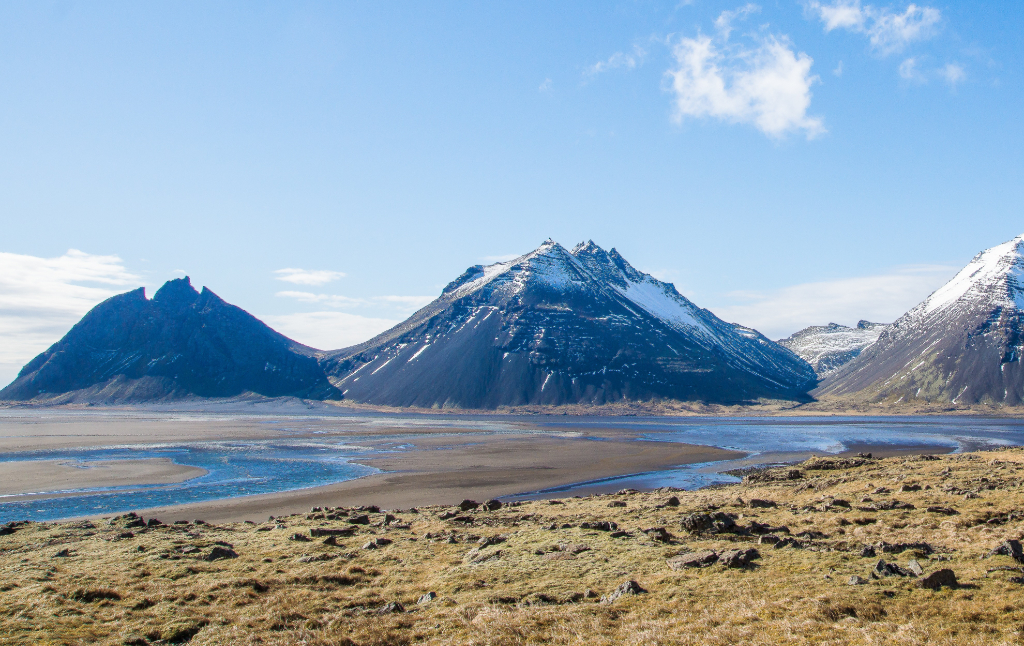
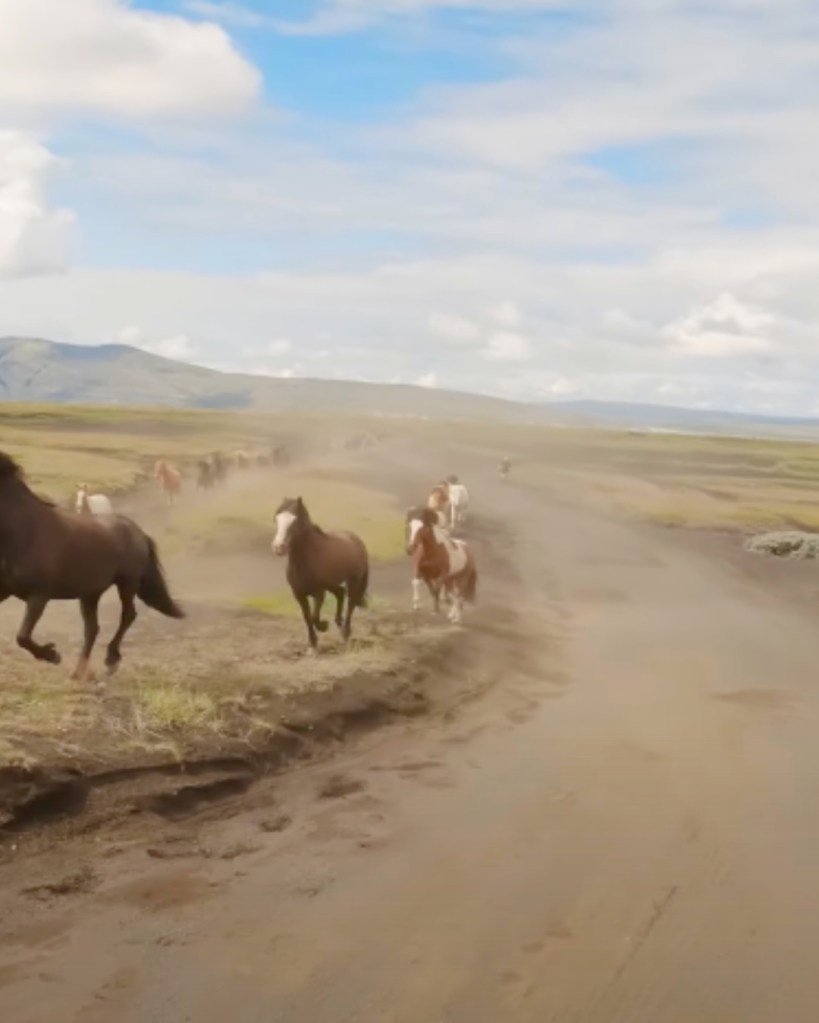
    The Rift is not your average gravel bike race. It covers a distance of 200 kilometres through the rugged terrain of Iceland, including lava fields, glaciers, and volcanic landscapes. There is a pretty cool portion where you ride down a snow covered Volcano. Riders must navigate gravel roads, Uber cold river crossings, and challenging climbs, some you can only go up by walking. All that, and much more unpredictable events and weather making the Rift a true test of skill and endurance. In 2022, a pack of wild horses ran beside the riders in a valley… it was spectacular.

    My friend Max crossing a river during the 2022 edition.
    The same river crossing a few minutes later. Heavy rain and high winds quickly replaced the sunny weather.
    My friend Charles got this shot while riding.

    In a matter of a few minutes, you can be riding under a sunny sky, shortly followed by a sudden and heavy rain fall or Hail, strong winds which of course will always be against you. The first 100km are going up. Not by much, as the total elevation is 2165m but most of the climbing is within the first half. Let’s just say that after 180km, the final remaining inclines hurt. A lot.

    More about the terrain and the course later.

    How can you prepare for The Rift?

    Well, that comes down to preparation. I’d sum this up like this: There are different aspects you need to prepare to succesfully complete The Rift. To tackle The Rift without suffering too much, you must be in a close to top physical condition. Additionally, you must have the right gear. Finally, you must manage your food intake regardless of the weather conditions.

    1- Training

    Training for long-distance gravel riding is something you should consider hiring a coach for. At least consider it. I know that modern cycling trends are pushing cyclist to ride longer and longer than ever. But still, 200km of road biking and 200km of gravel in Iceland is quite different.

    2- Bike and Gear preparation

    Obviously, if you travel all the way to Iceland with your bike to participate in a potentially once in a lifetime event, you must make sure your bike is in top condition. Duh.

    The Bike Stuff

    On top of having a bike in perfect condition, you must get familiar with how your bike works, what kind of parts are on it and have a minimal knowledge of how to fix it. Honestly, this is something The Rift organization does not mention enough in their Race guide.

    The Rift is a long event, you will be in the middle of nowhere, with little to no cellular coverage. You must be ready to fix almost anything on your bike, on your own. So learning how to fix a flat tire, repair a broken chain, install a tube in a torn tubeless tire, quickly bend back a disc, align your stem/handlebar assembly are just a few of the mechanical operations you should know how to do. You might have to perform any of these under conditions that are not the best. Imagine having to fiddle with a chain tool with frozen hands in windy and snowy conditions… I really do not want to scare anyone, but better be prepared than not.

    River crossing is pretty fun, but it can also mean the end of your ride if you crash on the derailleur side and break drivetrain components.

    In 2022, my first and only participation, I repaired 3 punctures (not even mine) and fixed a ben rim with a can opener and a volcanic rock. I had Tubeless sealant all over my gloves and rode 80km with a tubeless insert around my back. I helped a pro rider who had 8 punctures and needed a new wheel (I don’t know how he got a new wheel to finish his event). I mean… come one dude. That guy was not ready. Make sure your bike is in good condition and ready for a 200km gravel ride.

    Then, you must prepare your spare parts and repair kit. In essence, I strongly recommend that you pack these things, add more if you need more, but these would be the essentials:

    -Spare Derailleur Hanger
    -Chain breaker
    -Quick link
    -Multi-tool
    -Some sort of tubeless Repair kit (plugs and tire patch)
    -Mini-pump and Co2 cartridges.
    -Ultra-light spare tubes. The new Pirelli tubes are great. Super light, very compact. Worth the very expensive price.
    -Spare valve core
    -Small knive

    Once you got your repair kit ready, practice repairing stuff on your bike with it. It will be worth it.

    The riding Gear

    Finding the right clothes to wear for an event where about every type of weather conditions are expected is a challenge.

    If you are like me, IE not an outdoor, trekking, camping and mountaineering specialist, you will need to find the right gear to be comfortable and ready for anything. Which means understanding rainproof materials, merino wool, and find the best clothing you can for the budget you have. One great thing about The Rift is that they allow you to pack a small bag, which most people refer to as the ”sock bag”, that they will bring up to the 3rd feed (at 100km). Prior to the start, you can drop your bag, containing whatever you filled it with, in a huge truck. Unless you plan on winning the race as a Pro or in your age category, I’d strongly recommend taking advantage of this.

    The 100km feed (3rd) where you can grab your spare socks bag.
    Long sleeve skinsuits are excellent for the Rift.

    Typically, you would put in there a pair of warm socks (perhaps the ones the organization provides with each entry), spare gloves, maybe some food and a dry Buff. If you left with too much stuff, you can drop it in the bag and recuperate it at the end of the event. Whatever you think you need, put it in there. Better pack that bag with loads of stuff you won’t use than regret not packing it later. You could even cram a spare tube in there just in case.

    Because the weather changes so much, your clothes must allow you to ride comfortably in all those conditions. You will cross many rivers, walk up steep hills, run in loose snow and much more. So there is little you can do against all that. Compromise is key, I guess.

    Here are the clothing accessories that I think are essential:

    -Super light packable Gore-Tex-ish jacket.
    -Well padded long finger gloves
    -Super light short sleeve vest
    -Long socks of any type
    -Good Gravel/mountain bike shoes
    -Breathable Base layer
    -Photochromic lenses
    -Gravel/adventure style bib shorts (for their side pockets)

    Be ready for anything and everything. My Gore rain jacket perfectly fits in my toptube bag, making it easy for me to grab it and put it on while riding.
    3- Nutrition

    Again, a no brainer. To make your way through 200km of gravel cycling, you will need a considerable amount of fuel. One thing the organization has dialled in are feed zones. Man, there is all you can think of at each and every feed station. The thing is, it’s mainly junk food. I am not saying it’s bad, but think of the feed zones as a safety feature if ever you packed less food than necessary.

    Nothing is worst than hitting a wall at 120km knowing you still have 80 to go… (remember that last hill you must climb near the end I was talking about earlier?)

    So part of your training before the event will consist of finding the right food for that kind of distance and time spent on the bike. Can you tolerate it well? Is it easy to digest? Is it home made or pre-made? How do you eat it while riding? Where do you store it? etc.

    And the other thing to consider is that the food you are used to eat and train with might not be the food you need in this type of weather.

    My advice is, try to eat ”real food” as much as you can and keep the gels and bars and energy chews to top off your energy needs.

    And train using the bars, gels and other similar food you plan to use for the event.

    Circling back to the 100km feed and ”sock bag” truck: this feed station will also have Sandwiches of many different types. Which came as a huge relief for me.

    I am by no means a Nutrition expert but if you want to plan ahead, there are common food intake guidelines and formulas you can use. Those can easily be found online, but search for trustworthy sources and consult a certified Dietician/Nutritionist if you are in doubt. After all, incorrect food intake can lead to dangerous health issues. Don’t neglect that.

    End of part 1

    In the next part, I’ll present you with more gear for your bike and for yourself. I’ll talk more about the course itself as well.

    Almost there! The last banner seconds before you cross the finish line.